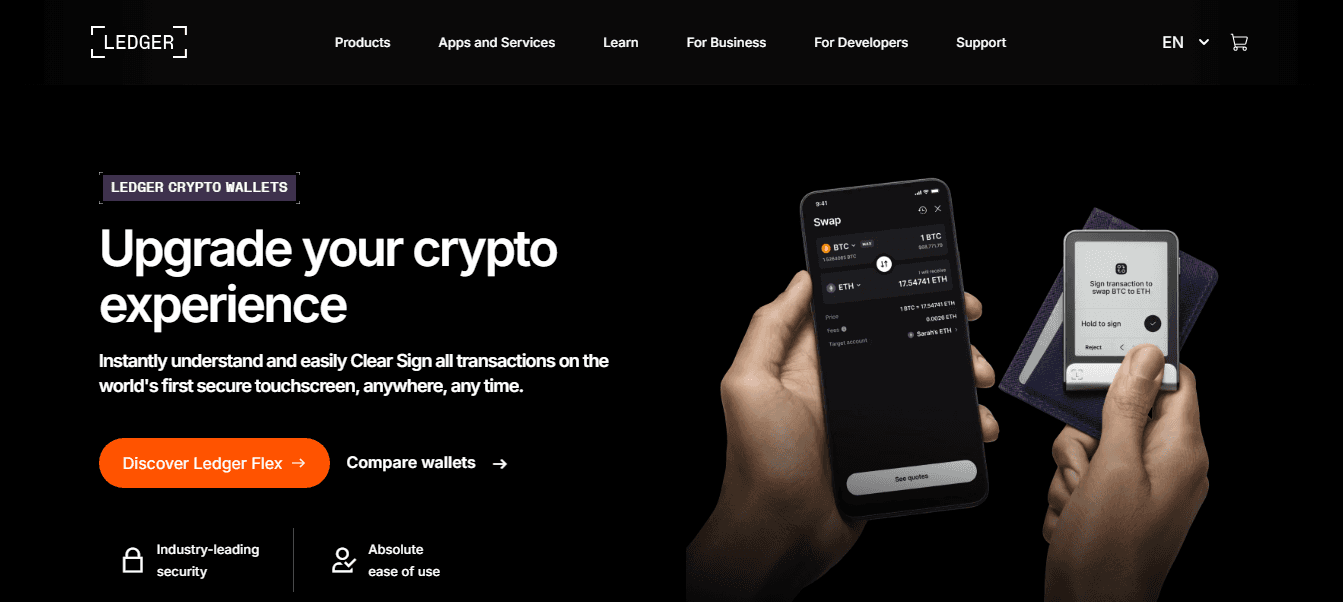
Ledger Login: A Trusted and Secure Gateway to Your Digital Assets
Ledger login is a secure access mechanism designed to protect cryptocurrency users in an increasingly digital and threat-prone environment. Unlike traditional login systems that rely on usernames and passwords, Ledger login is based on hardware authentication, ensuring that only the rightful owner can access and authorize actions involving digital assets. This method reflects the core values of blockchain technology, emphasizing ownership, decentralization, and personal responsibility.
As cyber threats continue to evolve, protecting access to crypto wallets has become just as important as protecting the assets themselves. Ledger login offers a reliable solution by combining advanced cryptographic protection with physical device verification, creating a robust defense against unauthorized access.
What Is Ledger Login?
Ledger login is not a standard login process tied to online accounts or centralized servers. Instead, it is a secure authentication flow that uses a Ledger hardware wallet as the primary access key. There are no stored passwords, no email-based recovery systems, and no centralized user databases.
To log in, users connect their Ledger hardware wallet to a compatible device and unlock it using a personal identification number created during setup. This action verifies ownership and grants permission to interact with crypto accounts securely. The hardware wallet acts as both the identity and the authorization tool.
How Ledger Login Works
The Ledger login process begins when a user connects their hardware wallet to a computer or mobile device and opens a compatible application. Once the device is unlocked with the correct PIN, it establishes a secure communication channel with the application.
Any request to access wallet data or approve a transaction must be confirmed directly on the hardware wallet. The user reviews the details displayed on the device screen and approves or rejects the request manually. Without this physical confirmation, no action can proceed.
This design ensures that private keys remain inside the hardware wallet at all times. They are never exposed to the internet, applications, or operating systems, making unauthorized access extremely difficult.
Role of the Ledger Hardware Wallet
The hardware wallet is the foundation of Ledger login. It is specifically built to store private keys in a secure environment known as a secure element. This component is designed to resist physical tampering, hacking attempts, and unauthorized extraction of sensitive data.
All cryptographic operations required for authentication and transaction approval are performed within the device itself. During Ledger login, the hardware wallet verifies requests and ensures that only legitimate actions are authorized. This makes the device a trusted gatekeeper for digital assets.
Security Advantages of Ledger Login
Ledger login provides strong protection against many of the most common cyber threats. Because there are no passwords involved, attackers cannot gain access through password leaks, reuse, or brute-force attacks. Phishing attempts are also less effective, as users never enter sensitive information during login.
Malware and keylogging attacks are another major concern in the crypto space. Ledger login protects against these threats by requiring physical confirmation on the device. Even if malicious software is present on a connected computer or smartphone, it cannot approve transactions or access private keys.
This layered security approach significantly reduces risk and provides peace of mind for users who prioritize asset protection.
Ledger Login Compared to Traditional Authentication
Traditional authentication systems rely on centralized infrastructure and shared secrets such as passwords. These systems are vulnerable to data breaches, server attacks, and human error. In contrast, Ledger login is decentralized and ownership-based.
Access is determined by possession of the hardware wallet and knowledge of the PIN. There is no central authority controlling access and no single point of failure. This makes Ledger login more resilient and better aligned with the principles of decentralized finance.
User Experience and Accessibility
Despite its advanced security, Ledger login is designed to be accessible and user-friendly. Unlocking the device and confirming actions is straightforward, with clear instructions displayed on both the application and the hardware wallet.
For new users, the initial learning curve is manageable. Guided setup processes and intuitive prompts help users understand each step. Over time, Ledger login becomes a familiar routine that balances convenience with strong security.
Experienced users appreciate the confidence that comes from knowing every critical action requires direct approval on the device. This transparency builds trust and reduces anxiety around unauthorized access.
Privacy Benefits of Ledger Login
Ledger login enhances privacy by eliminating the need for personal information. Users do not have to provide names, email addresses, or phone numbers to access their wallets. Authentication is based entirely on device ownership and cryptographic proof.
Because there is no centralized login database, there is less risk of data exposure or surveillance. Users maintain control over both their assets and their identity, which is a key advantage in a digital environment where privacy is increasingly valued.
Common Use Cases for Ledger Login
Ledger login is used whenever a user needs to access or authorize actions involving their crypto assets. This includes viewing balances, managing accounts, approving transactions, and interacting with blockchain-based services.
In every scenario, the process remains consistent. The user unlocks the device, reviews the request, and confirms it physically. This consistency helps users quickly recognize legitimate actions and identify anything unusual or suspicious.
Best Practices for Using Ledger Login Safely
While Ledger login is highly secure, proper user behavior is essential. The hardware wallet should always be kept in a safe place and never shared. The PIN must remain confidential and should not be written down in easily accessible locations.
Recovery information should be stored offline in a secure environment. This information is critical for restoring access if the device is lost or damaged. Users should remember that Ledger login never requires entering recovery details into applications or messages.
Staying alert to impersonation attempts and suspicious requests is also important. Understanding how Ledger login works helps users avoid social engineering attacks.
Responsibility and Self-Custody
Ledger login supports a self-custody model, meaning users are fully responsible for their assets and access credentials. This approach offers unmatched control and independence but also requires careful management.
Users who understand and accept this responsibility benefit from enhanced security and autonomy. By following recommended practices, they can protect their assets effectively without relying on third parties.
Challenges and Risk Awareness
One challenge associated with Ledger login is the risk of losing access due to misplaced devices or recovery information. Without proper backups, assets may become inaccessible. Careful setup and secure storage of recovery data help mitigate this risk.
Another challenge is misinformation. Scammers may attempt to trick users into revealing sensitive details. Knowing that Ledger login never involves sharing recovery information is a critical defense against such attacks.
The Future of Secure Login with Ledger
Ledger login represents a forward-thinking approach to digital authentication. As decentralized applications and digital assets continue to expand, hardware-based login systems are likely to become more common.
By prioritizing physical verification, cryptographic security, and user control, Ledger login sets a high standard for secure access. It demonstrates how strong protection can coexist with usability and privacy.
Conclusion
Ledger login is a secure, reliable, and privacy-focused authentication method designed for modern cryptocurrency users. By eliminating traditional passwords and relying on hardware-based verification, it offers strong protection against unauthorized access and digital threats.
Through physical confirmation, offline key storage, and a self-custody framework, Ledger login empowers users to take full control of their digital assets. For those who value long-term security, independence, and trust, Ledger login provides a dependable gateway to the world of cryptocurrency.