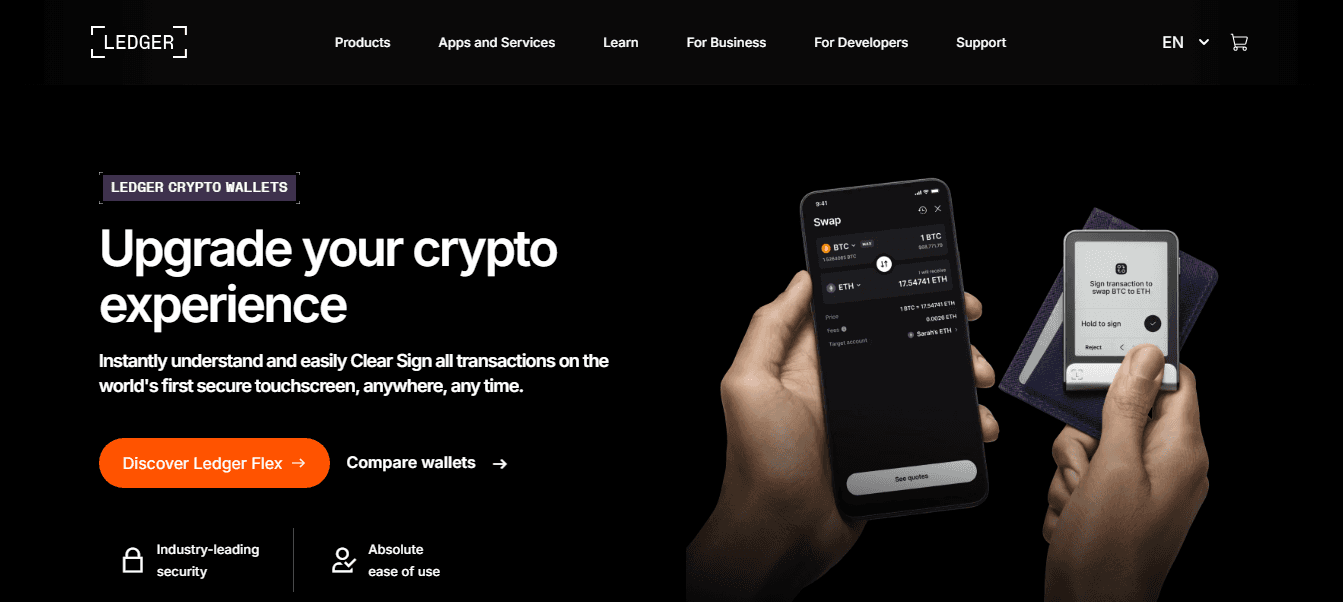
Ledger Login: A Secure and Reliable Way to Access Your Crypto Wallet
Ledger login is a security-focused access method designed to protect cryptocurrency users from unauthorized entry, digital threats, and online vulnerabilities. Instead of relying on traditional usernames and passwords, Ledger login uses hardware-based authentication to ensure that only the rightful owner can access and manage digital assets. This approach reflects the core principles of blockchain technology: decentralization, ownership, and personal responsibility.
As cryptocurrency adoption continues to grow, so does the importance of secure access. Ledger login provides a trusted solution by combining cryptographic security with physical verification, making it one of the most reliable login systems in the digital asset ecosystem.
Understanding Ledger Login
Ledger login is not a conventional login process. There is no account registration, email address, or password stored on centralized servers. Instead, access is granted through a Ledger hardware wallet, which securely stores private keys and verifies user actions.
When users want to access their crypto assets through a Ledger-compatible application, they connect their hardware wallet to a computer or mobile device. The user then unlocks the device using a personal identification number that was created during setup. This step confirms ownership and allows the device to authenticate actions securely.
How Ledger Login Works
The Ledger login process is based on physical confirmation and cryptographic validation. Once the hardware wallet is unlocked, it communicates with the application to confirm identity and permissions. Any request that involves accessing account details or approving transactions must be reviewed and confirmed directly on the device.
This system ensures that private keys never leave the hardware wallet. Even though the application displays information and requests actions, the final authority always lies with the physical device. Without the Ledger hardware wallet and the correct PIN, access is not possible.
Importance of Hardware-Based Authentication
Hardware-based authentication is the foundation of Ledger login. Unlike software-only systems, which can be vulnerable to malware, phishing, or data breaches, Ledger login requires physical possession of the device. This dramatically reduces the risk of unauthorized access.
The Ledger device uses a secure element, a specialized chip designed to protect sensitive data. This chip is resistant to tampering and is commonly used in high-security environments. By storing private keys in this secure element, Ledger login ensures that critical information remains isolated from online threats.
Security Benefits of Ledger Login
One of the most significant advantages of Ledger login is its resistance to common cyberattacks. Since there are no passwords to steal, hackers cannot gain access through credential leaks or brute-force attacks. Phishing attempts are also less effective, as users never enter sensitive recovery information during login.
Ledger login also protects against keylogging and screen-recording malware. Even if a computer or mobile device is compromised, malicious software cannot approve transactions or access funds without physical confirmation on the Ledger device. This layered security approach offers strong protection in an increasingly hostile digital environment.
Ledger Login Compared to Traditional Login Systems
Traditional login systems depend on centralized databases that store usernames and passwords. These systems are vulnerable to breaches, data leaks, and human error. In contrast, Ledger login is decentralized and ownership-based.
With Ledger login, access is determined by possession of the hardware wallet and knowledge of the PIN. There is no central authority controlling access and no database that can be hacked. This makes Ledger login a more robust and future-proof authentication method for digital assets.
User Experience and Ease of Use
Despite its advanced security model, Ledger login is designed to be user-friendly. The process of unlocking the device and confirming actions is straightforward and intuitive. Clear prompts on both the application and the device guide users through each step.
For new users, the learning curve is manageable, especially with guided setup instructions. Over time, Ledger login becomes a routine process that feels natural and efficient. Experienced users appreciate the balance between security and convenience, knowing that their assets are protected without unnecessary complexity.
Ledger Login and Privacy Protection
Privacy is a key benefit of Ledger login. Users do not need to provide personal information such as names, email addresses, or phone numbers to access their wallets. This minimizes data exposure and aligns with the privacy-first nature of blockchain technology.
Because authentication occurs locally on the hardware wallet, Ledger login reduces reliance on third-party services. Users maintain control over both their assets and their identity, reducing the risk of surveillance or data misuse.
Common Use Cases for Ledger Login
Ledger login is used in many everyday crypto activities. These include checking wallet balances, managing accounts, approving transactions, and interacting with blockchain-based services. In every case, the login process follows the same secure pattern: unlock the device, review the request, and confirm it physically.
This consistency builds trust and helps users recognize legitimate actions. Knowing that every critical step requires physical confirmation makes it easier to detect suspicious or unexpected requests.
Best Practices for Protecting Ledger Login
While Ledger login is highly secure, users must follow best practices to maintain safety. The hardware wallet should be stored securely and never left unattended. The PIN should be kept private and never shared with anyone.
Recovery information should be written down and stored in a secure offline location. This recovery data is essential for restoring access if the device is lost or damaged. Users should never enter recovery information into websites, applications, or messages claiming to provide support.
Responsibility and Self-Custody
Ledger login is built around the concept of self-custody. This means users are fully responsible for their assets and access credentials. While this provides unmatched control and independence, it also requires careful management.
Understanding this responsibility is crucial. Users who take the time to follow security guidelines and store recovery information properly can enjoy the full benefits of Ledger login without unnecessary risk.
Challenges and How to Avoid Them
One potential challenge of Ledger login is the risk of losing the hardware wallet or recovery details. Without proper backups, access to assets may be permanently lost. To avoid this, users should follow setup instructions carefully and store recovery information securely.
Another challenge is social engineering. Scammers may attempt to trick users into revealing sensitive information. Remembering that Ledger login never requires sharing recovery data helps users stay protected.
The Future of Ledger Login
Ledger login represents a shift toward more secure and decentralized authentication methods. As digital assets, decentralized finance, and blockchain applications continue to expand, hardware-based login systems are likely to become more widely adopted.
By focusing on physical verification and cryptographic integrity, Ledger login sets a strong standard for secure access in the digital economy. Its approach demonstrates how security, privacy, and usability can coexist effectively.
Conclusion
Ledger login is a secure, reliable, and privacy-focused method for accessing cryptocurrency wallets and managing digital assets. By eliminating traditional passwords and relying on hardware-based authentication, it provides strong protection against online threats and unauthorized access.
Through physical confirmation, offline key storage, and a self-custody model, Ledger login empowers users to take full control of their crypto assets. For anyone serious about long-term security and ownership in the cryptocurrency space, Ledger login offers a trusted and forward-looking solution.