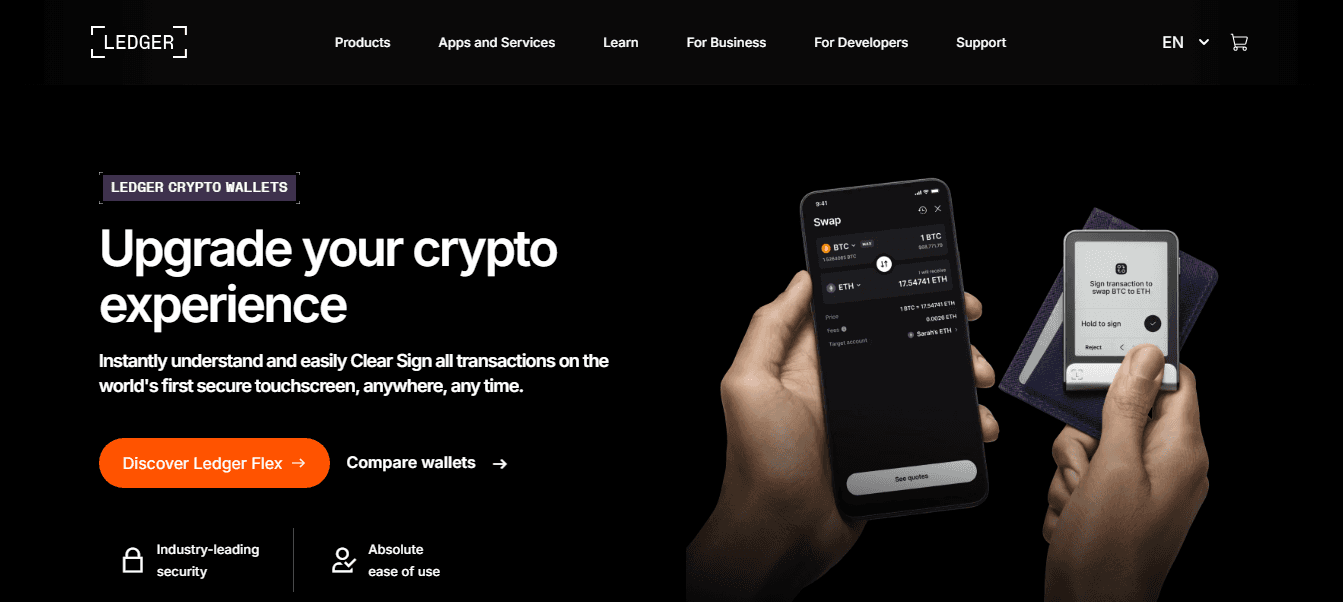
Ledger Login: Secure Access to Your Crypto Wallet and Digital Assets
Ledger login refers to the secure process used to access and manage cryptocurrency assets through Ledger hardware wallets and compatible applications. In the world of digital finance, secure authentication is essential, and Ledger login is designed to ensure that only the rightful owner can access and authorize transactions. By combining physical device verification with advanced cryptographic protection, Ledger login offers a level of security that goes far beyond traditional usernames and passwords.
As cryptocurrencies continue to grow in popularity, the risks associated with online threats, phishing attacks, and unauthorized access have increased. Ledger login addresses these risks by relying on a hardware-based security model that puts users in full control of their private keys and digital assets.
What Is Ledger Login?
Ledger login is not a conventional login system that uses email addresses or passwords. Instead, it is a secure authentication process that requires a Ledger hardware wallet to verify identity and approve actions. When users access their crypto accounts through Ledger-supported software, the hardware wallet acts as the ultimate authority for confirmation.
This method ensures that sensitive information, such as private keys, is never exposed to the internet or stored on a computer or mobile device. Ledger login focuses on ownership-based access rather than account-based credentials, aligning with the decentralized principles of blockchain technology.
How Ledger Login Works
The Ledger login process begins when a user connects their Ledger hardware wallet to a computer or mobile device and opens a compatible application. Rather than entering a password, the user unlocks the hardware wallet using a personal identification number set during device setup.
Once unlocked, the device communicates securely with the application. Any action that requires authentication, such as accessing account information or approving a transaction, must be physically confirmed on the Ledger device. This ensures that even if the connected device is compromised, attackers cannot gain access without physical possession of the hardware wallet.
The Role of the Hardware Wallet
The Ledger hardware wallet plays a central role in the login process. It stores private keys in a secure environment known as a secure element, which is designed to resist tampering and unauthorized access. Private keys never leave the device, and all cryptographic operations are performed internally.
During Ledger login, the hardware wallet verifies requests and displays critical details on its screen. Users can review and confirm information directly on the device, adding an extra layer of trust and transparency to the authentication process.
Security Advantages of Ledger Login
One of the most significant benefits of Ledger login is its resistance to common online threats. Because there are no passwords to steal or reuse, the risk of phishing attacks is greatly reduced. Hackers cannot gain access by guessing credentials or intercepting login details.
Ledger login also protects against malware and keylogging attacks. Even if malicious software is present on the connected computer or phone, it cannot authorize actions without physical confirmation on the Ledger device. This makes Ledger login one of the most secure authentication methods available in the crypto space.
Ledger Login vs Traditional Logins
Traditional login systems rely on usernames and passwords, which can be forgotten, reused, or compromised. In contrast, Ledger login is based on ownership and physical verification. Access is granted only to those who possess the hardware wallet and know the correct PIN.
This approach eliminates many weaknesses associated with centralized authentication systems. There is no central database of passwords to breach, and no recovery emails that can be intercepted. Ledger login shifts responsibility and control directly to the user.
User Experience and Accessibility
Despite its advanced security, Ledger login is designed to be user-friendly. Unlocking the hardware wallet and confirming actions on the device is straightforward, even for beginners. Clear on-screen prompts guide users through each step of the process.
For experienced users, Ledger login provides confidence and efficiency. Once familiar with the process, accessing accounts and authorizing actions becomes quick and intuitive. The balance between security and usability makes Ledger login suitable for a wide range of users.
Protecting Your Ledger Login
While Ledger login is highly secure, users must still follow best practices to ensure maximum protection. Keeping the hardware wallet physically secure is essential, as possession of the device is required for access. Users should never share their PIN or allow others to use their device.
It is also important to store recovery information securely and offline. Recovery details are the only way to restore access if the device is lost or damaged. This information should never be entered into websites, applications, or shared with anyone.
Ledger Login and Privacy
Ledger login enhances privacy by eliminating the need for personal information during authentication. Users do not need to provide names, email addresses, or other identifying details to access their assets. This aligns with the privacy-focused nature of blockchain technology.
By keeping authentication local to the hardware wallet, Ledger login reduces data exposure and minimizes reliance on third-party services. Users retain control over both their assets and their personal information.
Common Ledger Login Scenarios
Ledger login is used in a variety of situations, including accessing wallet balances, managing accounts, and approving transactions. In each case, the process remains consistent: the user unlocks the device, reviews the request, and confirms it physically.
This consistency helps build user confidence and reduces the likelihood of mistakes. Knowing that every critical action requires direct approval on the device reinforces trust in the system.
Benefits of Ledger Login for Long-Term Asset Holders
For users who hold digital assets long term, Ledger login provides peace of mind. The combination of offline key storage and physical confirmation ensures that assets remain protected even as online threats evolve.
Ledger login supports a self-custody model, meaning users are not dependent on exchanges or centralized services for access. This independence is especially valuable in an environment where security and ownership are top priorities.
Potential Challenges and How to Avoid Them
One challenge of Ledger login is the responsibility it places on the user. Losing the hardware wallet or recovery information can result in permanent loss of access. To avoid this, users should carefully follow setup instructions and store recovery details securely.
Another challenge is phishing attempts that impersonate official services. Users should remain cautious and remember that Ledger login never requires entering recovery information into applications or websites.
Future of Secure Authentication with Ledger Login
Ledger login represents a shift toward more secure, ownership-based authentication. As digital assets and decentralized applications continue to expand, this model is likely to become more common. Hardware-based authentication sets a higher standard for security and user control.
By focusing on physical verification and cryptographic integrity, Ledger login demonstrates how secure access can be achieved without sacrificing usability or privacy.
Conclusion
Ledger login is a robust and secure authentication method designed for modern cryptocurrency users. By replacing traditional passwords with hardware-based verification, it provides strong protection against online threats while keeping control firmly in the hands of the user.
Through physical confirmation, offline key storage, and a privacy-focused design, Ledger login offers a reliable way to access and manage digital assets safely. For anyone serious about protecting their cryptocurrency, Ledger login represents a trusted and forward-thinking approach to secure wallet access.